
Technology & AI
Google DeepMind Launches Real-Time On-Device Sign Language Translation on Pixel 11 and Gboard
Low-latency spatial vision model translates American Sign Language into spoken English and text without transmitting video feeds to cloud servers.
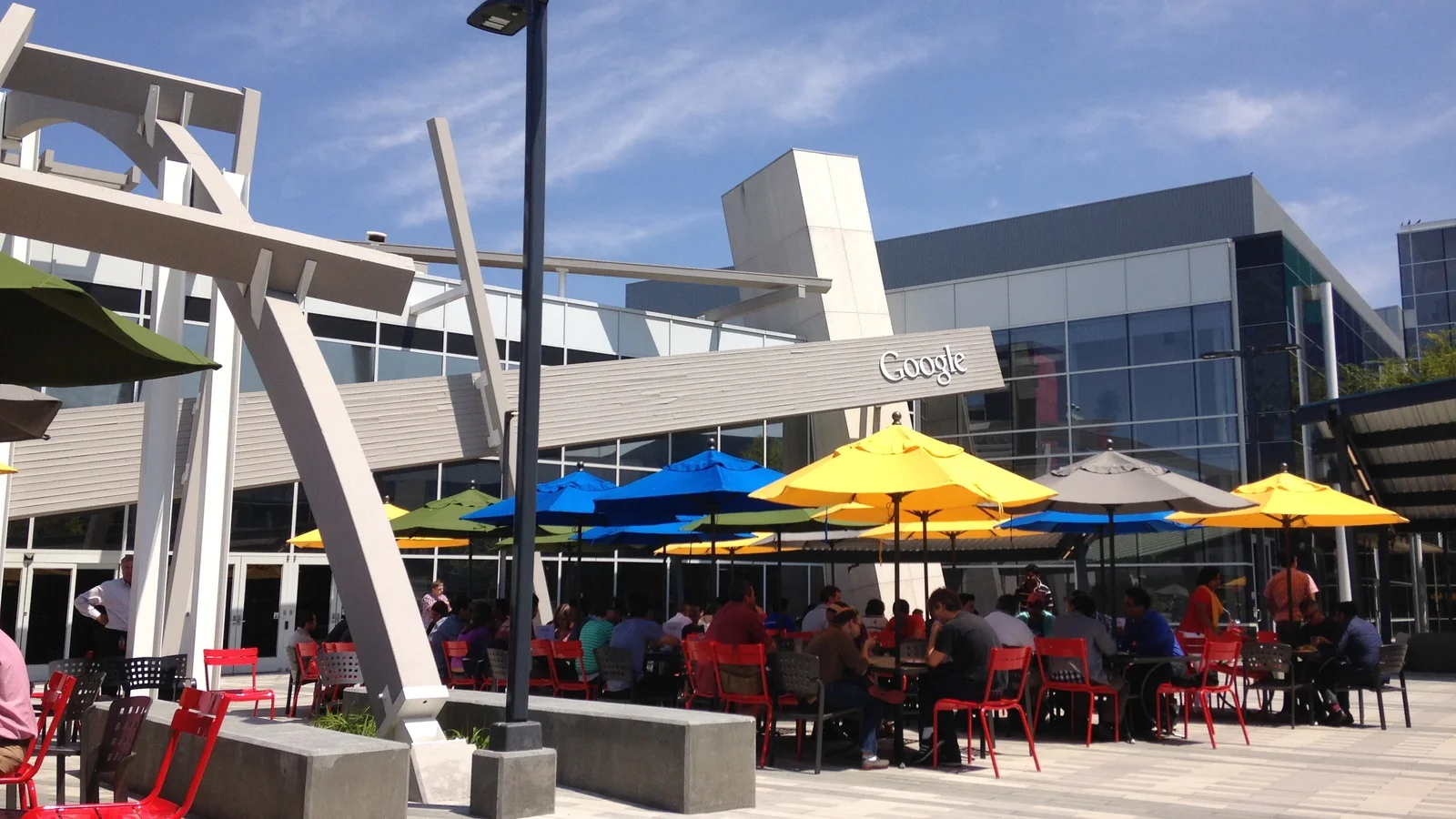
Google DeepMind and the Android hardware engineering group announced a breakthrough assistive technology feature on Friday morning, rolling out real-time on-device American Sign Language translation on the newly released Pixel 11 smartphone. Leveraging an optimized spatial vision model running directly on the device's Tensor G6 neural processing unit, the software translates continuous signing into transcribed text and synthetic natural speech at thirty frames per second. Product managers and accessibility engineers from San Francisco and Silicon Valley unveiled the live translation system during a keynote at the Google Bay View campus in Mountain View.
The assistive software overcomes long-standing spatial vision hurdles by concurrently tracking three-dimensional skeletal hand landmarks, facial micro-expressions, and torso orientations that convey grammatical context in sign language. Mobile system engineers noted that compressing the multi-modal transformer architecture to execute locally within a 450-megabyte memory budget was essential to guarantee user privacy and eliminate latency. Because all camera frames are processed locally without cloud server communication, users can communicate seamlessly in low-connectivity rural settings or encrypted private calls.
Deaf community advocates, educators, and accessibility researchers praised the release as a watershed moment for inclusive mobile communications. User testing participants highlighted that integrating real-time sign transcription directly into Gboard and Live Transcribe allows deaf individuals to order at drive-through counters, participate in spontaneous conversations, and interact with healthcare providers without requiring specialized interpreters. Assistive technology specialists commended Google for collaborating extensively with Deaf faculty at Gallaudet University during the multi-year model training and evaluation phase.
Android platform directors confirmed that the sign language translation capability will be delivered as an automated feature drop for Pixel 11 devices starting this week, with expanded language support for British and International Sign Language arriving in early 2027. Software engineers revealed that open APIs will enable third-party video conferencing and customer service applications to embed the translation pipeline directly into consumer interfaces. Technical benchmarks show that on-device spatial tracking consumes less than 8% battery power per hour of continuous active translation.
Pixel owners and accessibility advocates can enable the feature within Android system settings, review gesture guidance tutorials, and provide feedback on translation accuracy through the accessibility hub at store.google.com. Google will host an interactive community workshop for deaf educators and technology developers on Saturday, November 14, in Mountain View. Software developers interested in incorporating the accessibility vision libraries into third-party applications can inspect documentation on the Android developer portal.
Comments (0)
No comments yet. Be the first to share a thought on this story.